Getting the right care when you need it can sometimes be challenging. For many people, limited transportation, long distances to providers, busy work schedules, or mobility issues can make it more difficult to access care. That’s why more health care services are designed to meet you where you are — at home or in your community. This approach helps make care more convenient, accessible, and easier to manage, especially for Colorado Medicaid members, their families, and their caretakers.
Home Visits and Outreach
Some providers can visit you at home for checkups, follow-ups, or support with ongoing conditions. These visits make it easier to get care if you have difficulty traveling or need extra support. Care teams may also check in to help you stay on track with medications, appointments, or preventive care. Many insurance providers now also offer care at home programs, where a nurse practitioner, physician assistant, or case manager can help you stay current with annual exams, health screenings, and management for any health conditions you have.
Mobile Health Units
Mobile health units, or mobile health clinics, bring care directly into local communities where care may be hard to find. These resources can offer screenings, vaccinations, checkups, and specialty services close to home. For example, Colorado offers the Mobile Public Health Clinic Program, which primarily helps uninsured and underinsured Coloradans stay up-to-date on routine and recommended vaccinations. Rocky Mountain Health Plans has also supported a mobile diagnostic unit with Oliver Behavioral Consultants, which helps families receive behavioral health evaluations and support without needing to travel long distances.
Community Paramedicine
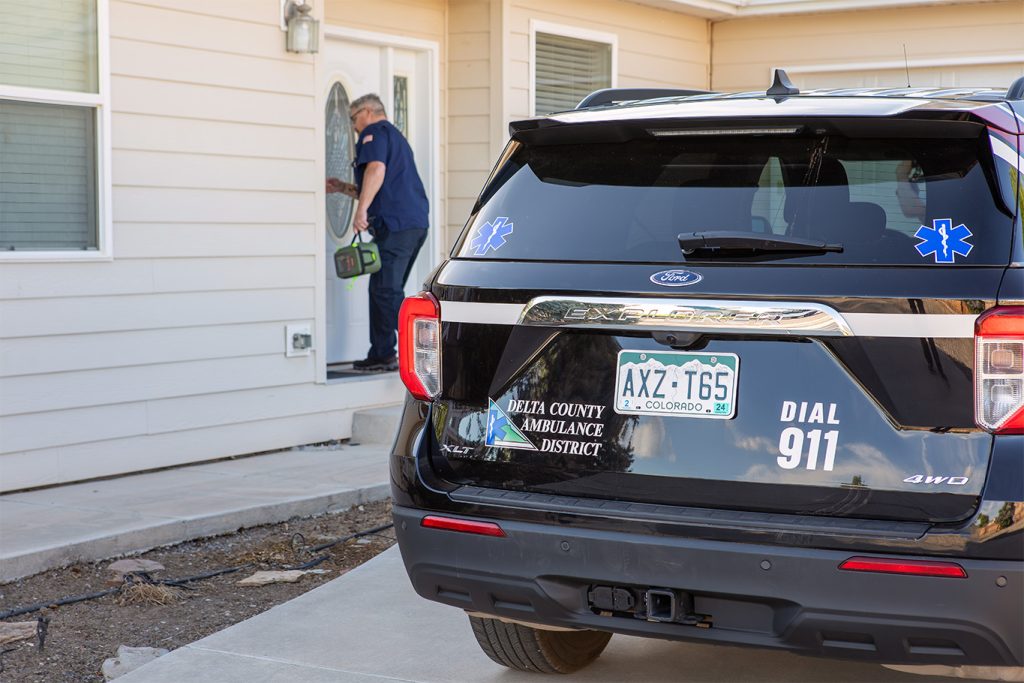
Some communities across Colorado now offer programs where community paramedics and EMTs provide care in your home outside of emergency situations. They can help manage chronic conditions, check vital signs, and support recovery after a hospital stay. This type of care can help prevent unnecessary trips to the emergency room and keep you healthier at home.
The Delta County Ambulance District’s Mobile Integrated Healthcare program, supported by Rocky Mountain Health Plans, is one example of how on-call medical professionals can successfully bring care to underserved and rural communities.
Telemedicine
Virtual care, or telehealth, lets you connect with a doctor or provider using your phone, tablet, or computer. You can ask questions, discuss symptoms, and even get prescriptions without leaving your home. For example, Rocky Mountain Health Plans members can access care through CirrusMD for RMHP, making it easy to connect with a doctor 24/7/365 for common concerns, health questions, or behavioral health support.
Transportation Services
If you do need to travel for care, transportation services can help you get to and from appointments. These services are often available to Medicaid members and can remove barriers, like the lack of a reliable vehicle, inconvenient public transportation schedules, or long distances to providers.
Why Innovation in Care Delivery Makes a Difference
When health care is easier to access, it can help you get care sooner, stay consistent with treatment, and avoid unnecessary hospital visits and readmissions. This all leads to improving patient outcomes and lowering costs.
At Rocky Mountain Health Plans, we support programs and partnerships that bring care closer to home, helping you stay healthier with the right care, at the right time, in the place that works best for you.


