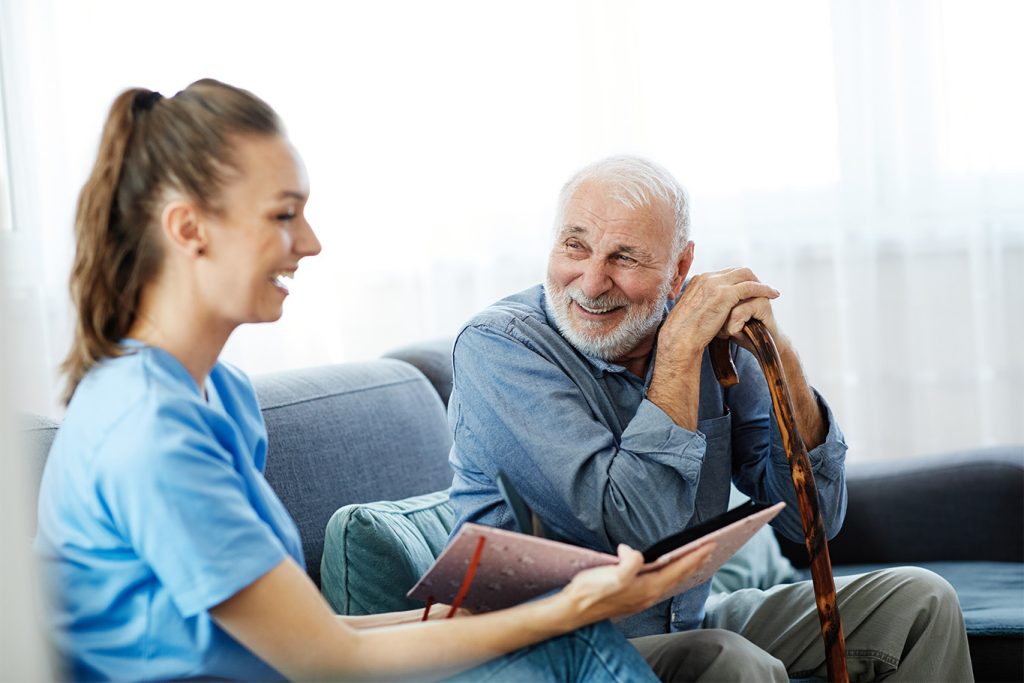
Health care is becoming more flexible, with different, more innovative ways to receive care outside of a doctor’s office. Options like community paramedicine are part of a broader shift toward alternative care settings that help make care more accessible, especially for people facing location, transportation, or mobility challenges.
What Are Alternative Care Settings?
Alternative care settings are places where you can access care other than a traditional doctor’s office, such as your home, retail clinics, community clinics, schools, or through virtual visits.
These care options are designed to:
- Make it easier to get care when you need it
- Reduce travel and wait times
- Provide support between regular doctor visits
For many patients, especially in rural communities, alternative care settings can remove barriers and make care closer to home.
What Is Community Paramedicine?
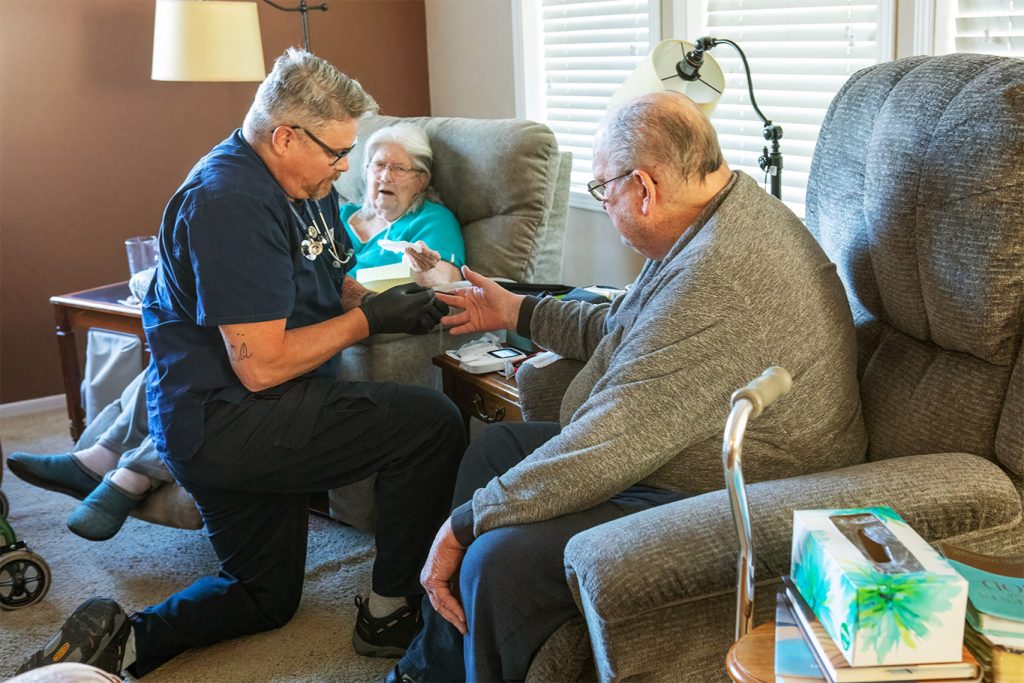
Community paramedicine is a care model in which EMTs and paramedics, often with specialized training or a primary care certification, deliver non-emergency and preventive care in your home or community. It aims to fill gaps in your care, help you stay healthy, and address concerns before they become urgent or more complex.
Community paramedics can:
- Check on you after a hospital stay
- Help manage ongoing chronic conditions like asthma, diabetes, or heart disease
- Review medications and answer questions
- Use telemedicine to work closely with your doctor while assessing you on a visit
- Provide education and follow-up care
- Connect you with doctors, services, or local resources
Benefits of Community Paramedicine for Patients and the Health System
Through this early, ongoing support, community paramedicine has been shown to:
- Reduce 30-day hospital readmissions
- Prevent unnecessary emergency room visits, ambulance transports, and 911 calls
- Support reduced blood pressure and blood glucose levels
- Improve proper medication use and adherence
- Deliver substantial health care savings
Local Care in Action
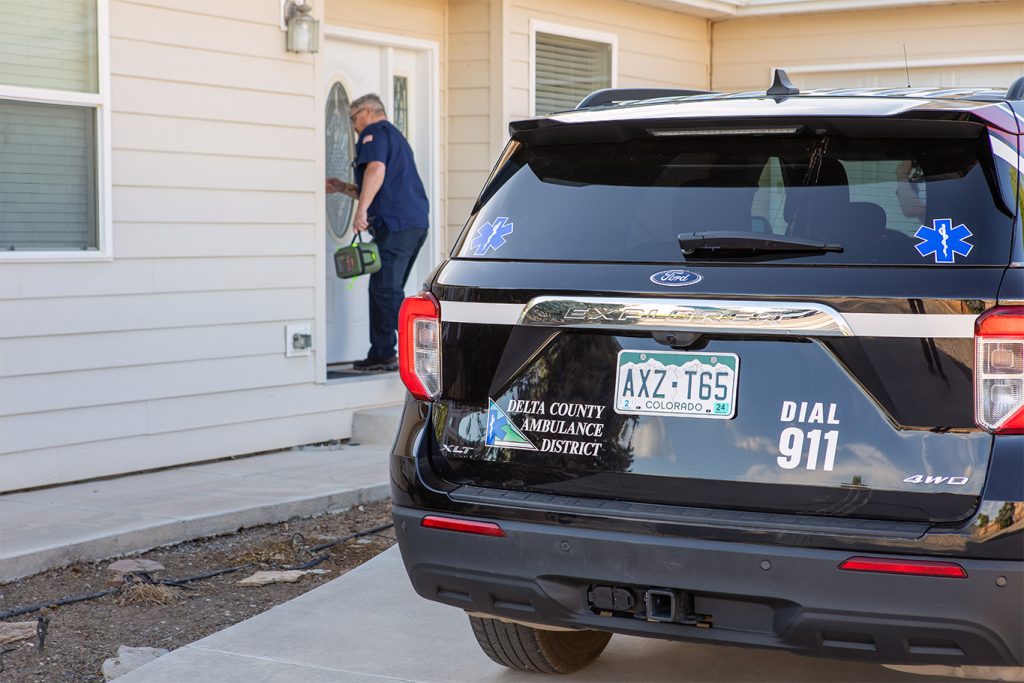
In Delta County, the mobile integrated healthcare (MIH) program is making a meaningful difference for Colorado Medicaid members who need extra support at home. For Natalie, regular in-home visits helped her stay on track with her medications, better understand her health needs, and avoid repeated trips to the emergency room. With consistent check-ins and guidance, she was able to manage her condition more confidently and stay healthier between appointments. Stories like hers show how personalized, in-home care can make a meaningful difference in rural communities.
Investing In Innovative Care Delivery
Alternative care settings and community paramedicine are part of a shift toward whole-person, community-based care. As health care continues to evolve, these services are making it easier to get the right care, in the right place, at the right time.
Rocky Mountain Health Plans supports programs that bring care closer to home by working with local providers, emergency services, and community organizations across the Western Slope. By investing in innovative care delivery models such as the Delta County MIH program, we can help expand access to timely, coordinated care for members as part of our broader commitment to improving health outcomes, supporting providers, and strengthening the communities we serve.