Rocky Mountain Health Plans | RMHP logo

If you or a loved one need help finding care, please contact RMHP care coordination at: RMHPCareManagementReferrals@uhc.com

Contact RMHP care coordination:  970-248-8718 Call Us or
January 31, 2023

Six Ways to Help Lower Blood Pressure Naturally

Blood pressure is the force of blood flowing through your blood vessels. High blood pressure, also called hypertension, occurs when your blood pressure is consistently too high.
You can take steps to lower your risk of high blood pressure and manage the condition.

Causes of High Blood Pressure

High blood pressure typically develops over time. The main causes of high blood pressure can include several unhealthy lifestyle habits, as well as certain health conditions like diabetes, obesity, or pregnancy. Family history and genetics may increase the risk of developing hypertension, but there are also many environmental and major lifestyle factors that greatly influence the risk of having high blood pressure, such as:

  • Lack of regular physical activity
  • Alcohol consumption and smoking
  • Unhealthy diet
  • Chronic stress
  • Obesity
  • High blood sugar levels

Risks of High Blood Pressure

When left untreated, high blood pressure can lead to other health conditions that negatively impact your quality of life. Heart attack, stroke, heart disease, chest pain (angina), kidney disease, and vision loss are all conditions that can develop when you have high blood pressure.

What You Can do to Lower Blood Pressure

Nearly half of American adults have high blood pressure, and one in three of those individuals may not even know that they have the disease. Measuring your blood pressure regularly is the best way to stay aware of this disease. It is recommended for readings to remain under 130/80 to control blood pressure. The good news is that there are natural ways to lower blood pressure. These six lifestyle changes can help improve the quality of your life and lower the risk of hypertension developing:

  1. Eat a healthy diet rich in fruits, vegetables, and whole grains and lower consumption in sodium, saturated fat, and trans fats.
  2. Maintain a healthy weight and body fat percentage.
  3. Make regular physical activity part of your lifestyle.
  4. Manage your stress.
  5. Limit your alcohol consumption or quit completely.
  6. Quit smoking and/or using tobacco products. Resources like the Colorado QuitLine are available to support you.

Medications are also frequently used to help manage high blood pressure and can be very effective. Always talk to your health care provider if you have concerns about your blood pressure. Together, you can develop a plan that meets your unique needs.

Recent Posts

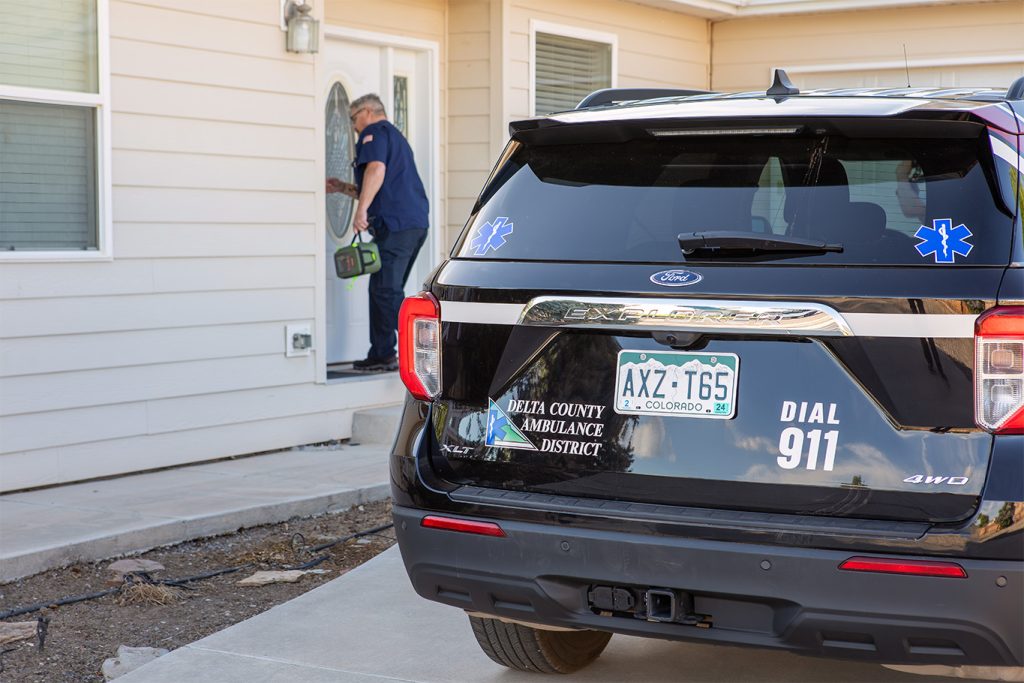
Paramedic entering a patient's home with Delta County Ambulance SUV parked outside. Part of Delta County Ambulance District's mobile integrated health program.

When Healthcare Comes to You: Home Visits, Telehealth, and More

Getting the right care when you need it can sometimes be challenging. For many people, limited transportation, long distances to providers, busy work schedules, or...

Read More
Senior woman sitting at kitchen table with computer and notepad, writing notes.

Before Your Appointment Starts: How Pre-Visit Planning Helps You Prepare for a Doctor’s Visit

Getting the care you need shouldn’t depend on where you live, your income, or whether you have a disability. That’s why changes in how health...

Read More
A healthcare worker checks the blood pressure of a senior female patient in her home.

How Payment Reform Helps Close Gaps in Care

Getting the care you need shouldn’t depend on where you live, your income, or whether you have a disability. That’s why changes in how health...

Read More
Doctor consulting with patient, taking notes on clipboard during medical examination in clinic.

What Is Integrated Behavioral Health in Primary Care — and Why It Matters to You

Taking care of your health means more than treating physical symptoms. Today, many primary care providers (PCPs) include behavioral health care as part of your...

Read More

Wildfire Support Available

If you or your family have been impacted by a wildfire, we’re here to help. For assistance with access to care, prescriptions, transportation, or other support services, please call 1-800-346-4643 (select option 8).

We’re committed to helping our members stay safe and get the support they need during this time.

Hotline Hours: Monday through Friday, 8:00 a.m. – 5:00 p.m.

We use cookies and similar tools to make your use of this website easy and to keep it working properly. We may share data about you and how you use the site with third parties, such as analytics and marketing partners. Learn more in our Privacy Policy and Terms of Use. By continuing to use the site, you agree to this.